
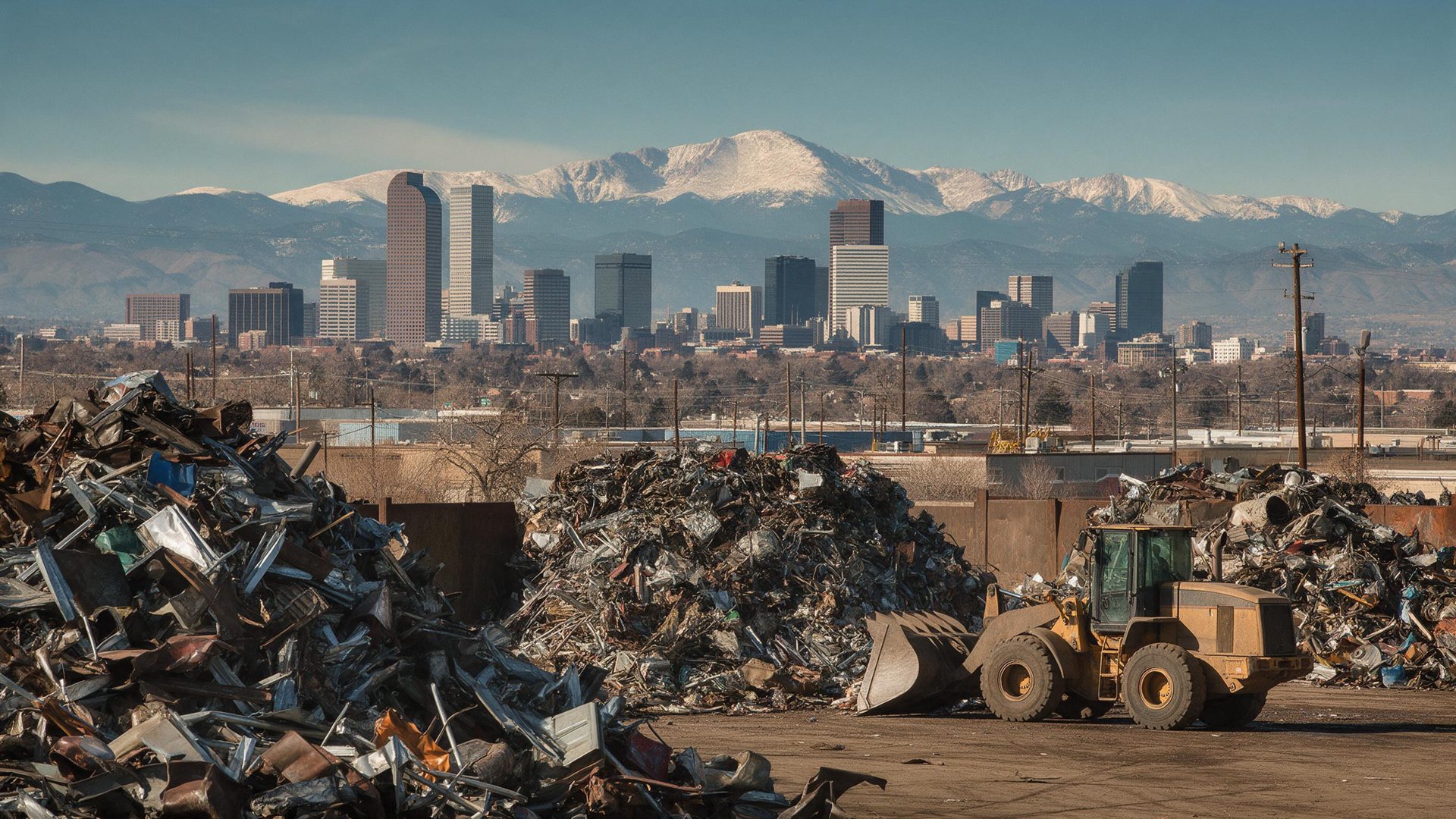
Aurora is several eras of housing on the east side of the metro
Original Aurora and the neighborhoods toward the west edge of the city still remodel older houses: copper after a freeze, furnaces, and cars that rusted low from road salt treatments. Southeast Aurora is newer construction and a lighter, cleaner cutoff pile.
The Buckley side adds household metal from a large base-adjacent community, not a license to call something military scrap. Ordinary appliances and vehicles, with gate access if the address is inside a controlled area. Say that first.
Local prices vary by yard. Send a photo for a quote. We do not publish a Aurora scale sheet.
Denver Scrap is an independent referral service that connects you with local scrap yards.
Contractor scrap form · Gold and silver · Cash for cars
Sorting Aurora scrap before you request a quote
A magnet is a quick first check: steel and iron usually attract, while copper, brass, and aluminum do not. Treat it as a sorting aid, not a grade test. Some stainless steel may be weakly magnetic or nonmagnetic, and a magnet cannot tell you whether a piece is clean enough for a particular category. Keep magnetic and nonmagnetic material in separate piles when practical.
Copper value depends on condition and type. Bare bright is clean, uncoated copper wire with no solder or attachments. #1 copper is clean pipe or solid copper with limited fittings; #2 can include solder, paint, or more attached material. Insulated wire is graded with its insulation on. Do not cut or burn insulation to identify a grade; ask the receiving yard what it accepts.
Brass fittings and aluminum pieces should be kept apart from steel and from each other. Separate clean material from pieces with plastic, rubber, wood, or heavy residue attached. A small amount of attached material can change how a yard sorts an item. If you cannot tell what a piece is, send a clear photo and describe any coating, fittings, or contamination rather than guessing at its grade.
Aurora pickup details for appliances, converters, and cars
Refrigerators, freezers, and air conditioners can contain refrigerant that needs proper evacuation before the metal is processed. Do not cut lines, vent refrigerant, or dismantle a sealed system yourself. Ask the yard how it accepts the appliance and whether it needs to arrive intact. For other appliances, mention major attached parts or unusual contents when requesting a quote, and follow the yard’s handling instructions.
Catalytic converters are not ordinary mixed scrap. Keep each converter intact and ask the receiving yard about its acceptance rules and required identification or paperwork before arranging a handoff. For a junk car, ask what title or ownership documents are needed; requirements can differ by vehicle and yard. Have the vehicle’s year, make, model, location, and whether it rolls or starts ready when requesting a pickup quote.
Before pickup, clear personal items from the vehicle and make sure the driver can reach it. Tell the yard about a locked gate, tight access, low clearance, or a vehicle that cannot roll; do not assume a tow truck can reach every spot. Front Range Quotes connects sellers with independent partner yards. The yard confirms acceptance, weighing, paperwork, and payment directly with you.
Questions
Is it worth stripping insulation from copper wire?
Not always. Stripping can take time and may create sharp scrap, while a yard may accept insulated wire as its own grade. Ask how the yard classifies your wire before working on it. Never burn insulation; besides being hazardous, burned or contaminated material may be rejected or graded differently.
What should I send for an Aurora scrap quote?
Send clear photos from more than one angle and include an approximate quantity, material type, and your location. For a vehicle, add its year, make, model, condition, and access details. Photos help a partner yard assess the request, but the yard sets acceptance, grade, and final payment after inspection.
Do I need a title to sell a junk car?
Ask the receiving yard what ownership documents it requires before scheduling. Requirements can vary with the vehicle and the yard’s process, so do not assume that a registration or bill of sale will substitute for a title. If paperwork is missing or the vehicle is not in your name, explain that first.
How are scrap weighing and payment handled?
Front Range Quotes connects sellers with independent partner yards; it does not buy or weigh the material. The yard handling your load provides its own scale ticket, explains the accepted grade, and pays you directly under its process. Confirm those details with that yard before you bring material or arrange collection.
Should I dismantle appliances or a car before pickup?
Do not dismantle refrigerant-containing appliances or cut into a vehicle before checking with the yard. It may need the appliance intact, and removing parts can affect what the yard accepts. Keep loose scrap safely accessible, remove personal belongings from cars, and tell the yard about hazards or access problems in advance.