
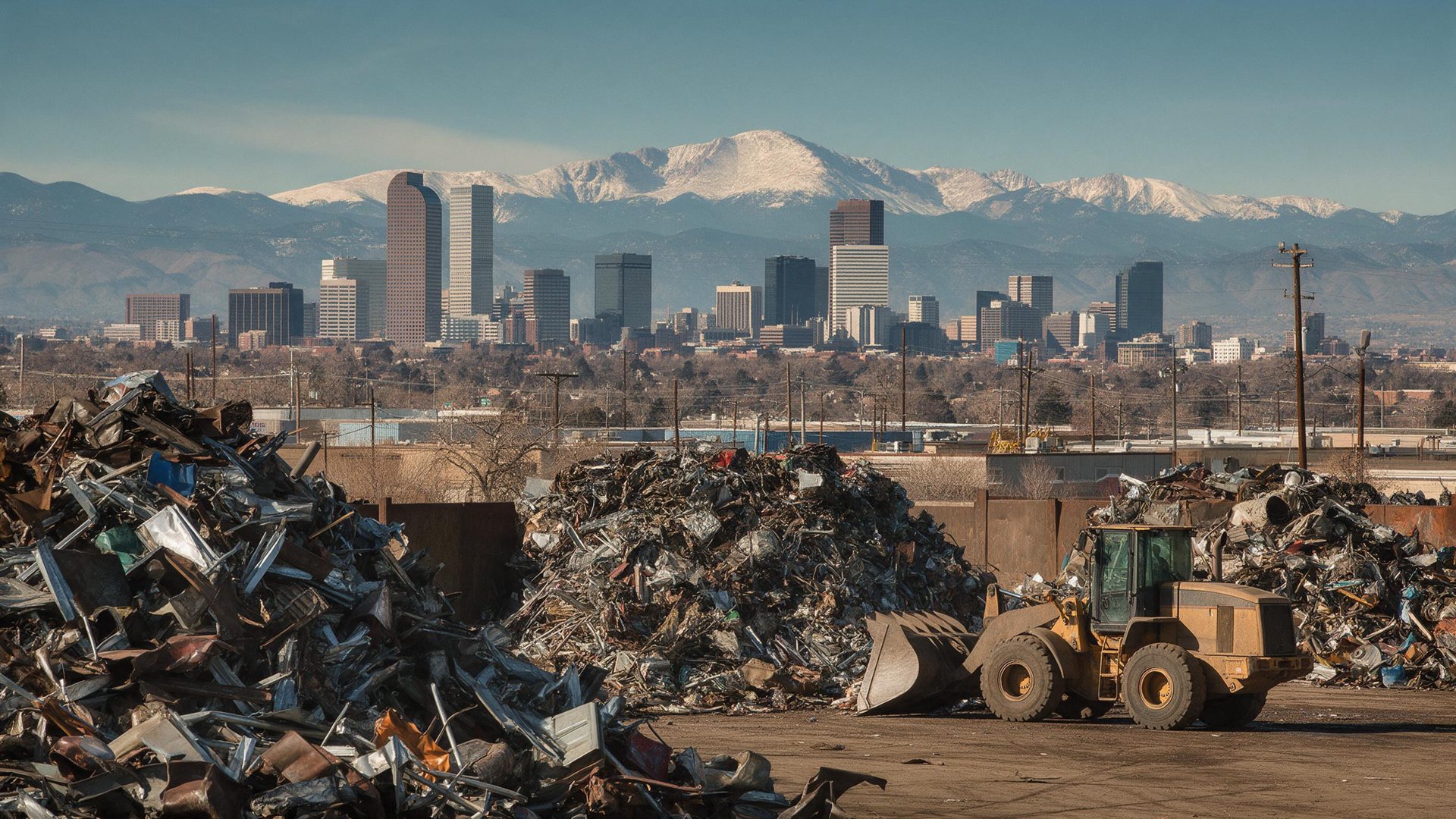
Littleton’s older downtown streets and its later suburbs both scrap
Near downtown Littleton, small commercial and older houses produce mixed demo, copper, and the kind of tight-street pickup that needs a time of day. Farther toward Chatfield and the later subdivisions, the loads are garages: appliances, a trailer frame, a vehicle.
Southwest winds and hail both find cars parked in the open. If the car is the lead, use the cash-for-cars details — year, title, whether it rolls — not a one-line “junk in the yard.”
Local prices vary by yard. Send a photo for a quote. We do not publish a Littleton scale sheet.
Denver Scrap is an independent referral service that connects you with local scrap yards.
Contractor scrap form · Gold and silver · Cash for cars
Sorting Littleton scrap metal before a quote
For a Littleton cleanup, separate ferrous metal from non-ferrous metal before sending photos or arranging a load. A magnet usually sticks to iron and ordinary steel, but it is only a quick sorting aid, not a grade test. Some stainless steel may not attract a magnet strongly. Keep uncertain pieces aside and describe them rather than mixing them into a clean pile.
Copper grades depend on condition and attachments. Bare bright is clean, uncoated copper wire; #1 copper is clean copper without significant solder or other attachments; #2 may have solder, coating, or more oxidation. Insulated wire is priced and handled differently from stripped copper. Ask the yard how it wants each type separated, because removing insulation takes time and can create a safety hazard.
Keep aluminum separate from steel, copper, and brass. Cast aluminum, sheet, and clean extrusion may be sorted into different grades, while attached screws, plastic, or heavy contamination can affect how a yard classifies a load. Brass fittings should also be kept apart from copper pipe. A few clear photos of the pile and its main materials help a yard decide what details it needs for a quote.
Littleton junk car details and pickup preparation
For a junk car, confirm paperwork before arranging removal. Title and ownership requirements can vary by vehicle and yard, so ask what documents are accepted and whether the name on the title must match the seller. Tell the yard if the title is missing rather than assuming a bill of sale or registration will be enough. A clear answer up front can prevent a canceled pickup.
Catalytic converters contain valuable metals, but a converter removed from a vehicle may require additional identification or ownership paperwork. Ask the receiving yard what it needs before removing or transporting one. Do not cut into or handle components unless you have the right tools and know how to do so safely. Keep any available vehicle documents together for the yard to review.
Before a pickup, describe access to the vehicle or scrap, including whether a truck can reach it and whether anything blocks loading. Gather keys and paperwork, and mention missing wheels, flat tires, or parts that have already been removed. Keep people clear of the loading area. For appliances that may contain refrigerant, do not cut lines or release refrigerant; ask the yard how it accepts them and who must evacuate the system.
Questions
Does a magnet tell me what my scrap metal is worth?
No. A magnet can help separate many steel and iron items from non-ferrous metals, but it does not identify an exact alloy or grade. Coatings, attachments, cleanliness, and the yard’s sorting rules also matter. If a piece is uncertain, photograph it separately and ask the yard how it should be classified.
Should I strip insulation from copper wire before selling it?
Not automatically. Stripping can take substantial time, and burning insulation is unsafe and may create harmful fumes. Compare the effort with the yard’s accepted categories for insulated wire and clean copper. Ask how it wants wire sorted before you process it; keep different wire types separate rather than mixing them together.
Can I bring in a refrigerator or air conditioner with refrigerant inside?
Acceptance and preparation requirements vary. Refrigerant should be properly recovered, not vented by cutting a line or puncturing the appliance. Ask the yard whether it accepts the item as-is and who must handle evacuation. Keep the appliance intact until you have clear instructions, and mention it when requesting a quote.
What should I ask before selling a catalytic converter?
Ask whether the yard accepts a loose converter and what proof of ownership or identification it requires. Requirements can differ, so confirm before removing or transporting the part. If it is still on a vehicle, include that in the vehicle description instead of treating it as a separate loose item.
What details help a yard assess a junk car for pickup?
Share the vehicle’s year, whether it has a title, whether it rolls, and whether keys are available. Also mention missing wheels, removed parts, and any access limits around the vehicle. Photos of the car and its location can clarify loading conditions. Confirm paperwork and pickup arrangements directly with the yard.